Why Situational Leadership Doesn’t Work the Way You Think
Every individual has their unique learning style, a great leader cater their way of leading to individual needs

Most leadership books promise clarity.
Situational Leadership is one of them.
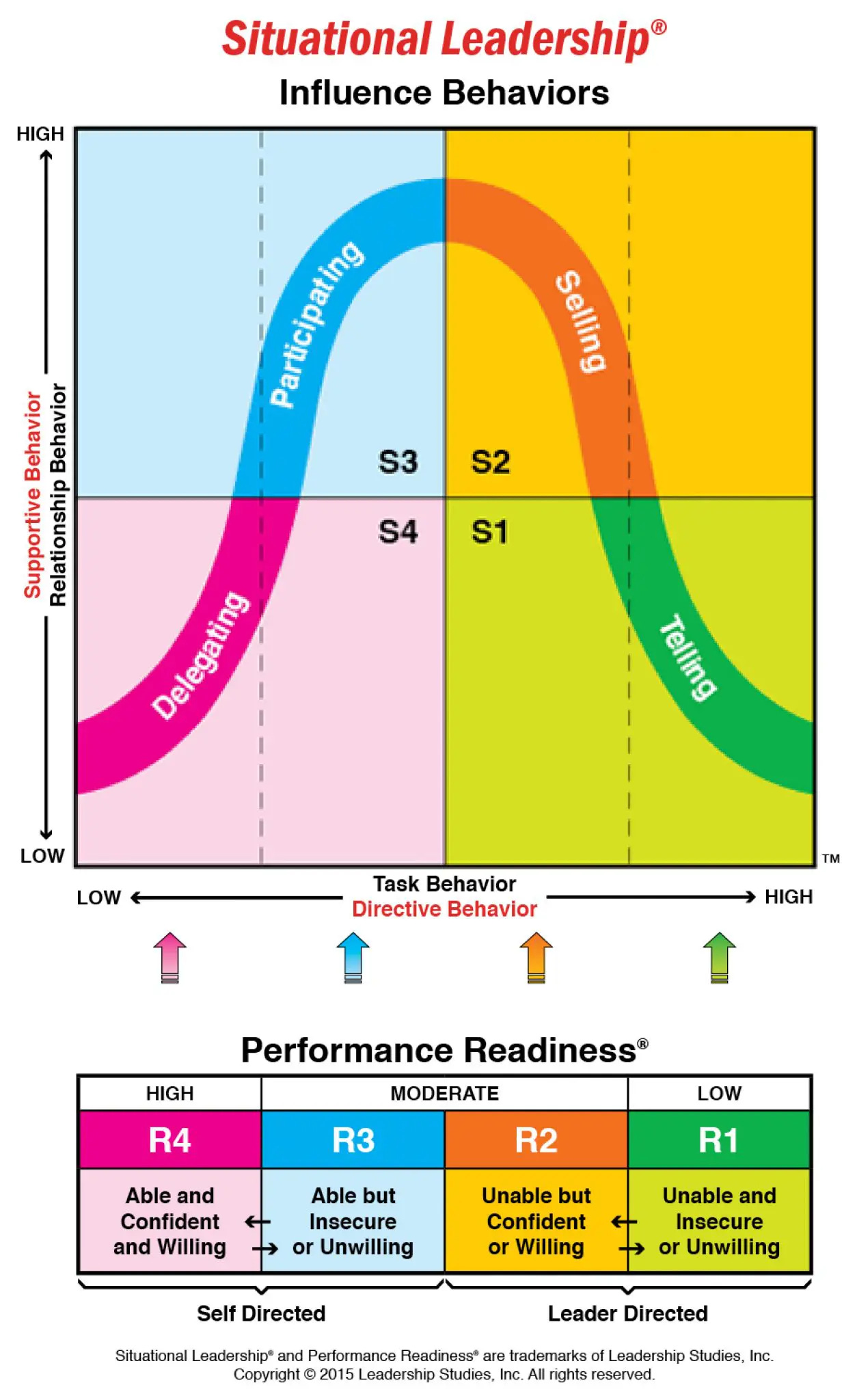
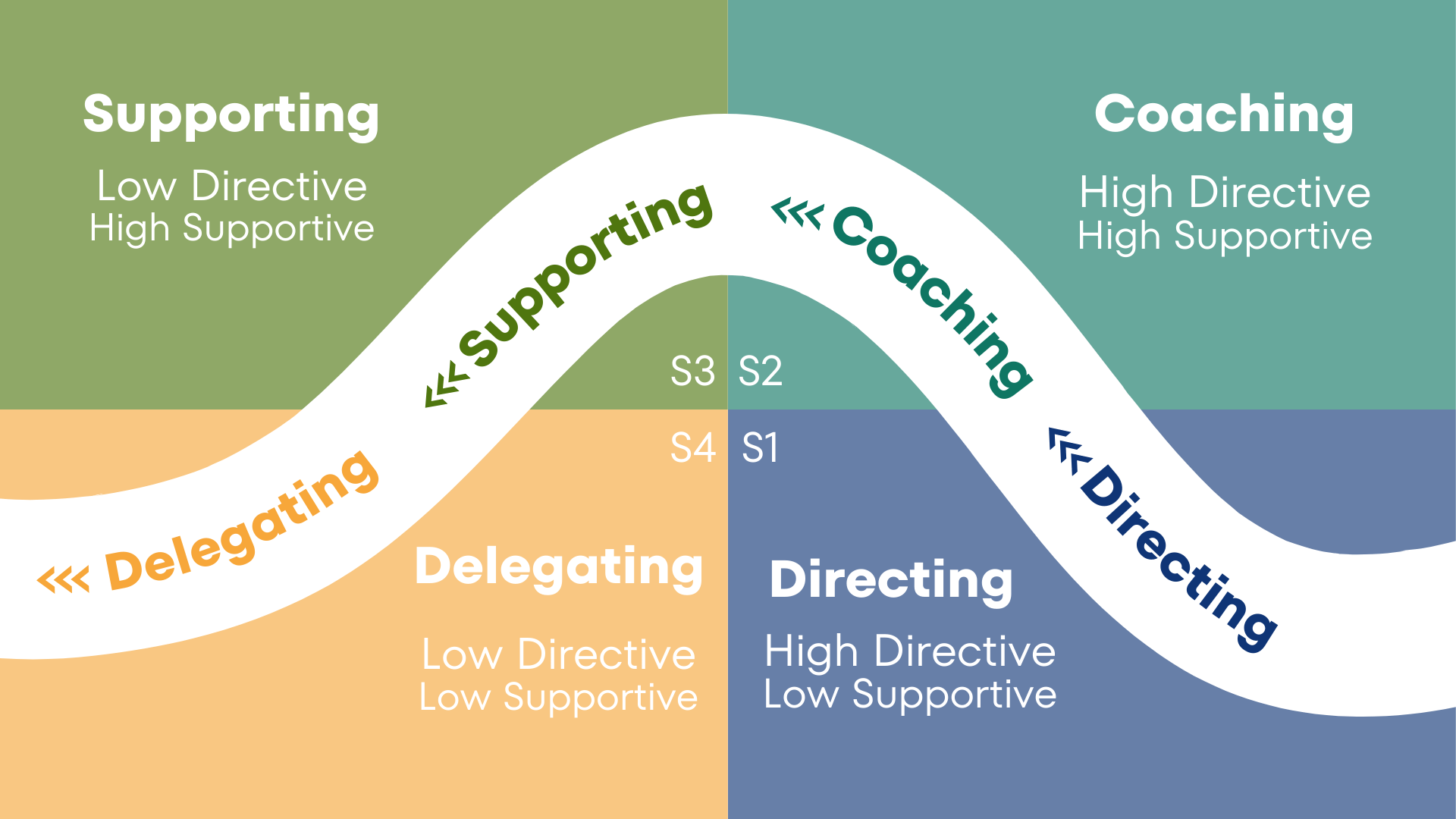
It tells us: adapt your style based on the person’s competence and commitment.
Simple. Logical. Widely taught.
And yet, after years of managing people across functions, seniority levels, and cultures, I’ve noticed something uncomfortable:
Many managers apply situational leadership “correctly”… and still get it wrong.
They coach people who don’t want coaching.
They give autonomy to people who feel abandoned.
They teach people who feel micromanaged.
The problem isn’t effort.
It’s not even capability.
The problem is that situational leadership misses one crucial variable.
The Missing Question in Situational Leadership
Classic situational leadership asks:
Can this person do the task?
Are they confident or motivated to do it?
But in real life, managers face a different question almost every day:
Why is this person not responding to my leadership, even though I’m doing “the right thing”?
The answer is rarely about skill.
It’s about how people learn.
Two people can have:
the same role
the same experience
the same performance rating
…and yet need completely different leadership responses.
Because they learn differently.
A Pattern I Kept Seeing
Over time, I noticed three recurring frustrations in managers:
“I keep coaching them, but they just want clear answers.”
“I explain everything, but they seem bored or constrained.”
“They’re capable, but every time I step in, performance drops.”
These are not performance problems.
They are misaligned leadership interventions.
Situational leadership assumes:
If you diagnose the situation correctly, the response will work.
Reality says:
If you ignore how the person learns, the response may backfire.
Not Everyone Needs Coaching
(And That’s a Leadership Blind Spot)
Modern leadership culture has glorified coaching.
We’re told:
“Ask more questions”
“Don’t give answers”
“Help people find their own solutions”
Coaching is powerful - when it fits.
But coaching is not neutral.
