Retail Field Notes: China (5)
Walmart in China: The Rise, The Trials, and The Future of Traditional Supermarkets

From Pioneer to Pivot: Walmart was one of the early entrants into China’s modern retail revolution. Since opening its first large-format hypermarket and Sam’s Club in Shenzhen in 1996, Walmart positioned itself as a one-stop shopping destination, bringing Western-style big-box retail to Chinese consumers and helping modernize the sector.
Over the next two decades, Walmart expanded aggressively, at times operating hundreds of stores across the country, including Walmart Supercenters, hypermarkets, Sam’s Club warehouse stores, and other formats. At its peak, Walmart China operated well over 300–360 outlets, spanning dozens of cities and drawing millions of shoppers annually.
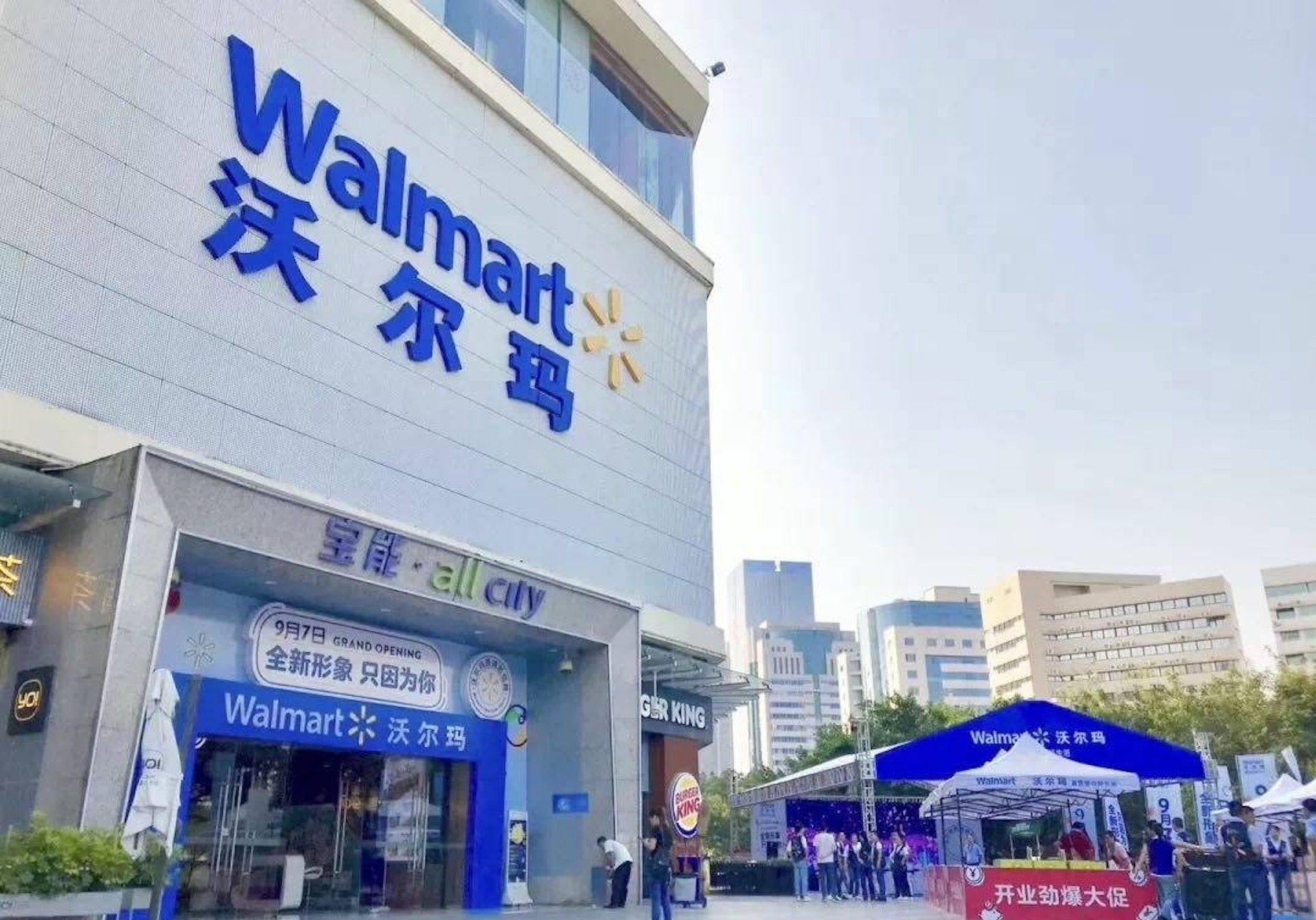
But like other traditional big-box retailers in China, including Carrefour, Auchan, and Tesco, Walmart encountered mounting pressures in the 2010s and 2020s, leading to significant store closures and strategic reevaluations.
The Ups and Downs: Walmart’s China Footprint at Its Peak and Thereafter
At its height, Walmart China was a ubiquitous presence:
Operating in 100+ cities across China.
Hundreds of Supercenters and Sam’s Clubs serving as major grocery and general merchandise anchors.
Yet, over the past decade, the trend began to change. Traditional hypermarkets faced declining foot traffic, rising rental and labor costs, and intensified competition from new retail formats. Analysts note that Walmart closed more than 30 large hypermarket locations by 2021, as part of a broader “closing trend” across major supermarket players.
Some reports suggest that decades of store expansion have been followed by contraction and consolidation, with closures of traditional hypermarkets and a refocusing on newer formats and omnichannel retail. Exactly how many total closures have occurred is hard to pin down publicly, part of the story is a shift rather than a complete retreat, but the message is clear: the core hypermarket model that Walmart championed is under pressure.
Why Traditional Supermarkets Are Losing Foot Traffic in China
The narrative of Walmart China’s contraction cannot be understood without looking at the mega trends reshaping Chinese retail:
1) The Rise of Local Supermarket Chains
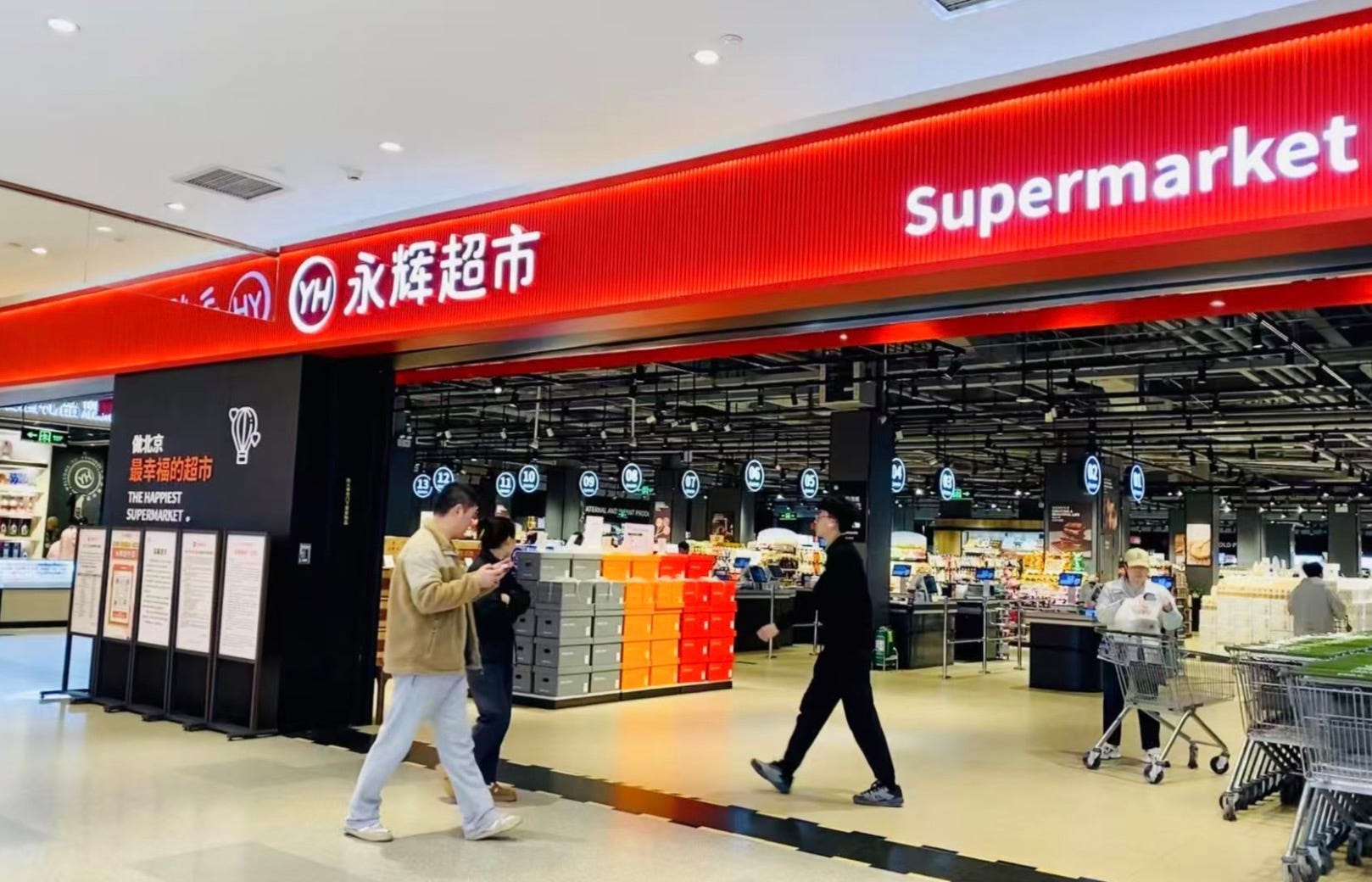
Over the last decade, domestic players like Wumart, Sun Art Retail (RT-Mart), Yonghui, and others scaled rapidly. These chains focused on smaller formats, fresher produce, and localized assortment, effectively decoding Chinese consumer preferences in ways that traditional Western-store formats struggled to match.
2) Convenience Takes Over: FamilyMart, 7-Eleven, and Regional Chains
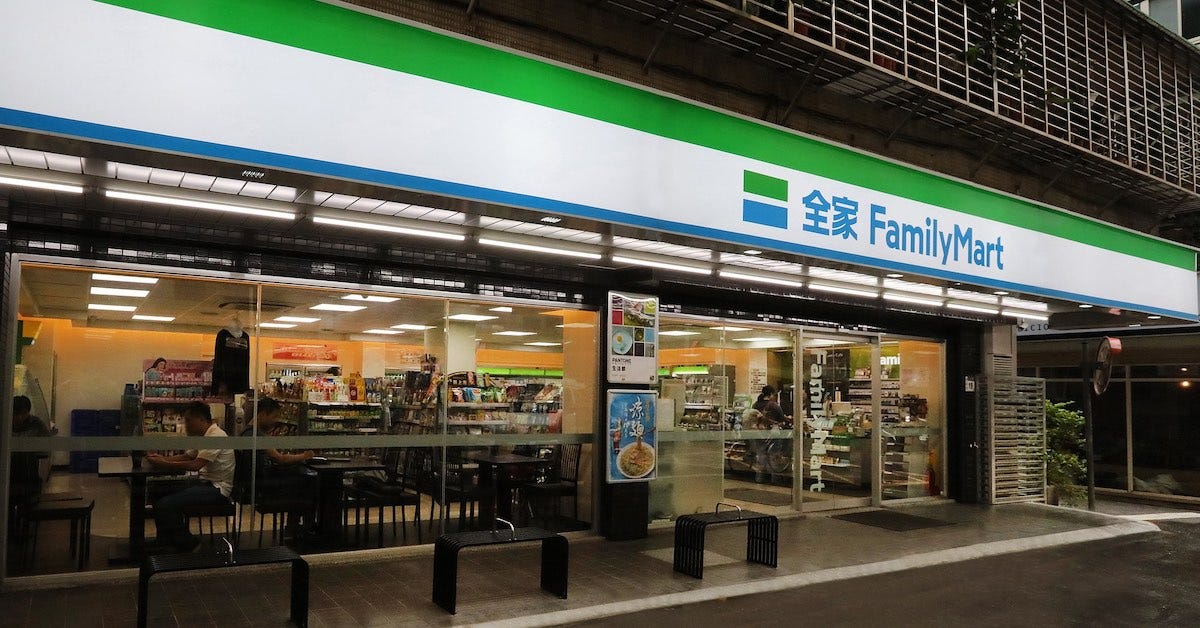
Urban lifestyles have dramatically shifted. Convenience stores are no longer just for late-night snacks, they’re mini grocery hubs. Brands like FamilyMart (全家便利店) expanded rapidly, positioning themselves within walking distance of millions of residents and serving everyday needs with speed and frequency.
Compared with a weekly or monthly trip to a hypermarket, convenience stores fit modern life better: short trips, specific needs fulfilled quickly, and integrated digital services like mobile pay and delivery.
3) E-commerce and New Retail Formats
Chinese e-commerce platforms, led by Alibaba (Taobao/Tmall), JD.com, Pinduoduo, and countless community group-buying apps, have reshaped groceries and everyday shopping. With fast delivery options (sometimes in under an hour) and broader product variety, consumers are increasingly ordering online instead of visiting physical stores.
This shift hits supermarkets squarely where they were strongest, wide assortment and low prices, making them less compelling when the same items can be delivered instantly to the doorstep.
4) The Maturation of Retail Infrastructure, Hypermarkets Are No Longer Unique
In the 1990s and early 2000s, Walmart’s big-box, one-stop, everything-under-one-roof offering was revolutionary. Today, shoppers have many alternatives:
Big shopping malls with integrated department stores.
Specialty food halls and fresh markets.
Community retail formats.
E-commerce with dynamic pricing and algorithmic personalisation.
What once differentiated Walmart, breadth of products, integrated services, and complementary tenants, no longer feels unique. Shoppers have more reasons and more places to go.
My Observations from Visiting Walmart Supermarkets in China
I recently visited two Walmart supermarkets in China (names and locations withheld for neutrality). The experience was a study in contrast:
